From the white sand of San Vito to the coves of the Zingaro Nature Reserve and the sea stacks of Scopello, each with up-to-date sea conditions so you can choose where to go today.
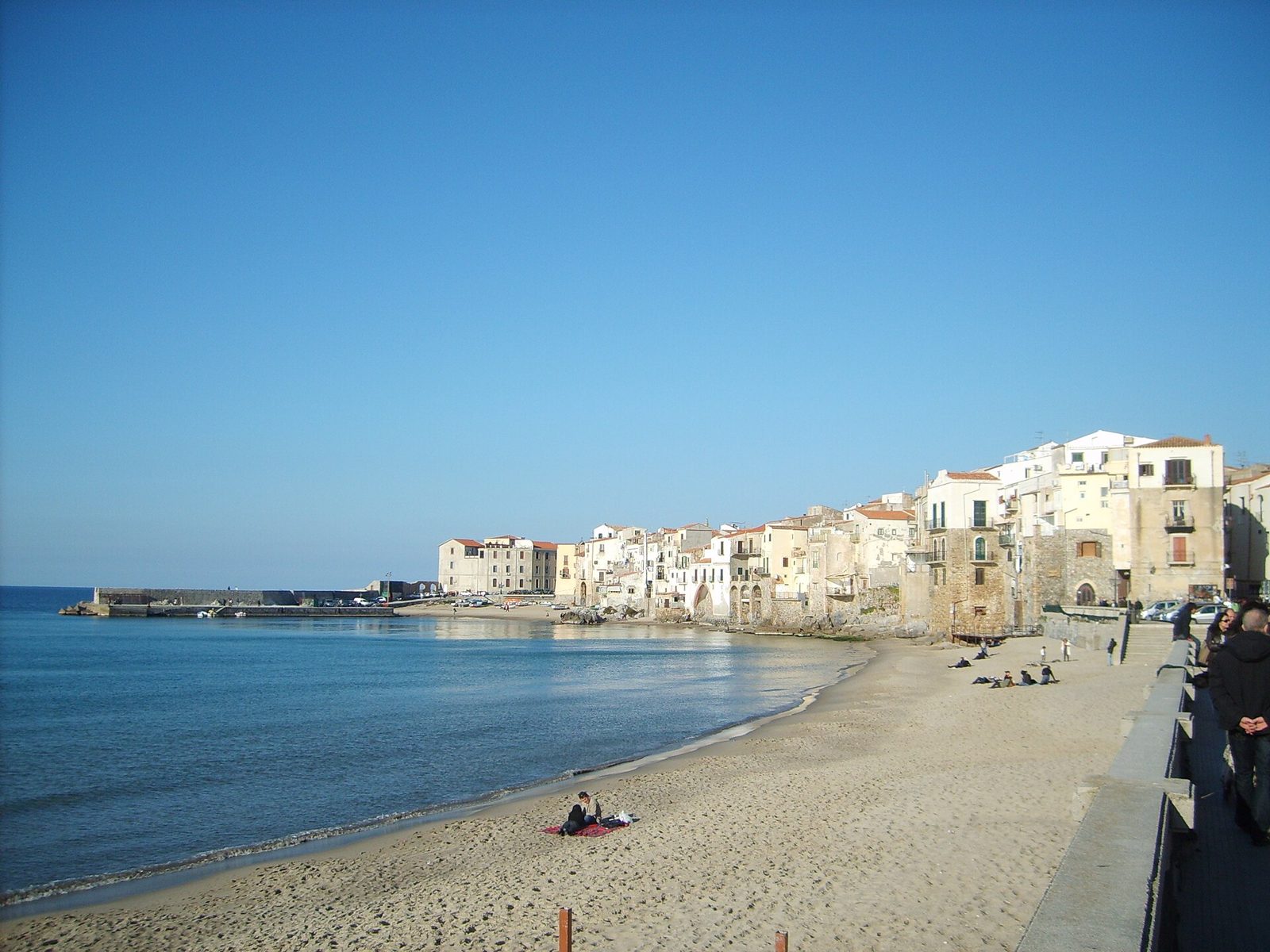
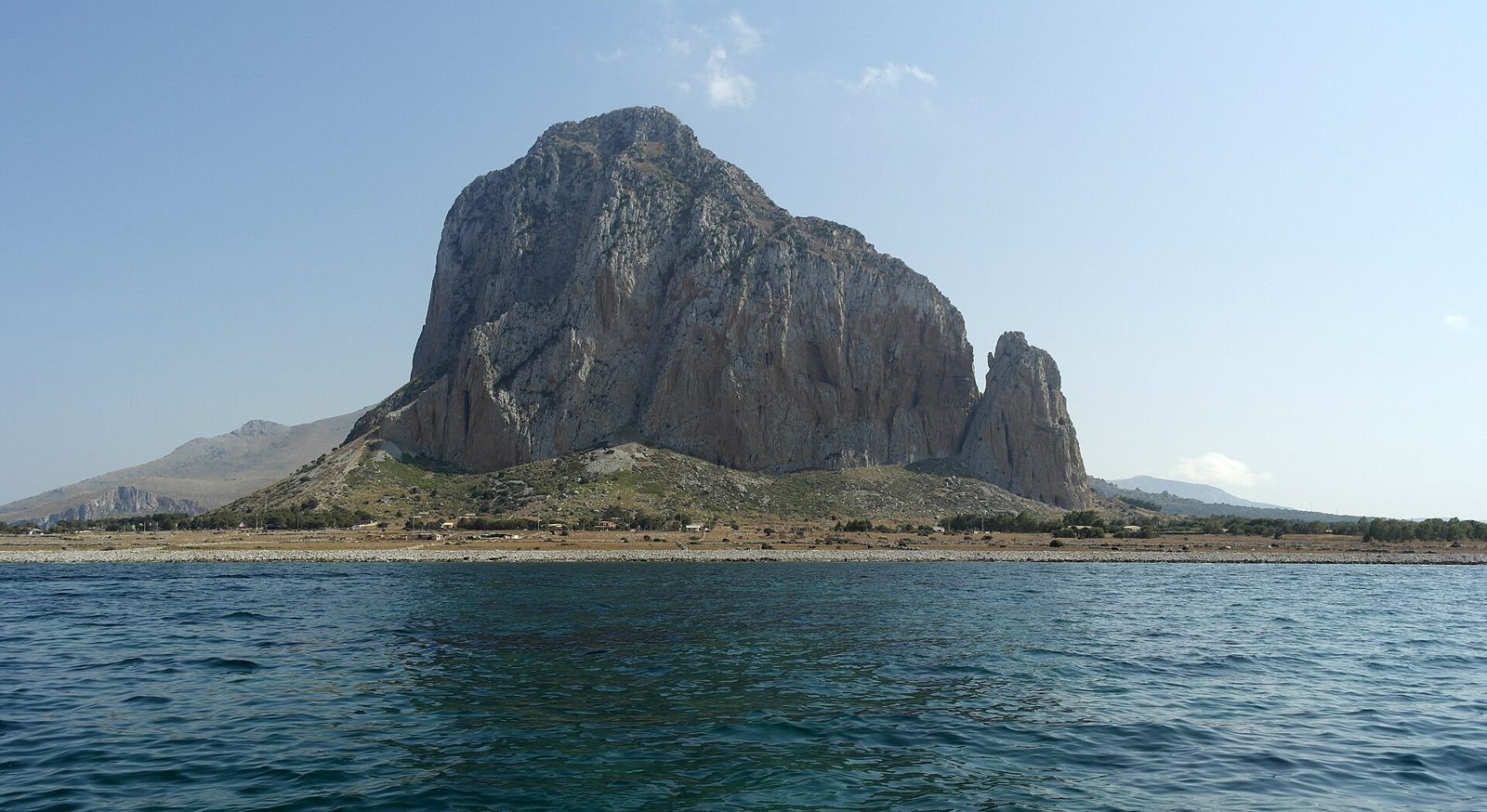
San Vito Lo Capo is the northwestern tip of Sicily, where a tongue of very fine white sand stretches out beneath Monte Monaco, at the head of a bay that faces the open sea. A few kilometres away, along the Gulf of Castellammare, lies a completely different world: the Zingaro Nature Reserve and the coast of Scopello, made of gravel and pebble coves, cliffs and clear water.
The difference between the two sides matters more than anything else: the San Vito beach faces north and is exposed to the mistral, while the coves of the Zingaro and Scopello, turned into the gulf, are largely sheltered from it. Below are the most beautiful public beaches, each with today's sea conditions: tap a row to open the full card with waves, wind and water temperature.
San Vito Lo Capo and the coves nearby
The town beach is one of the best known in Italy: very fine white sand and a very shallow seabed that slopes gently for tens of metres, ideal with children. It faces north, so it is at its best with southerly winds and picks up with the mistral and the grecale; when the wind blows from the northwest, the area by the harbour stays the most sheltered. A little to the south, towards Macari, the coast changes and offers sheltered coves when the mistral churns up the main bay.
Macaricalm sea · water 23 °C
Baia di Santa Margheritacalm sea · water 23 °C
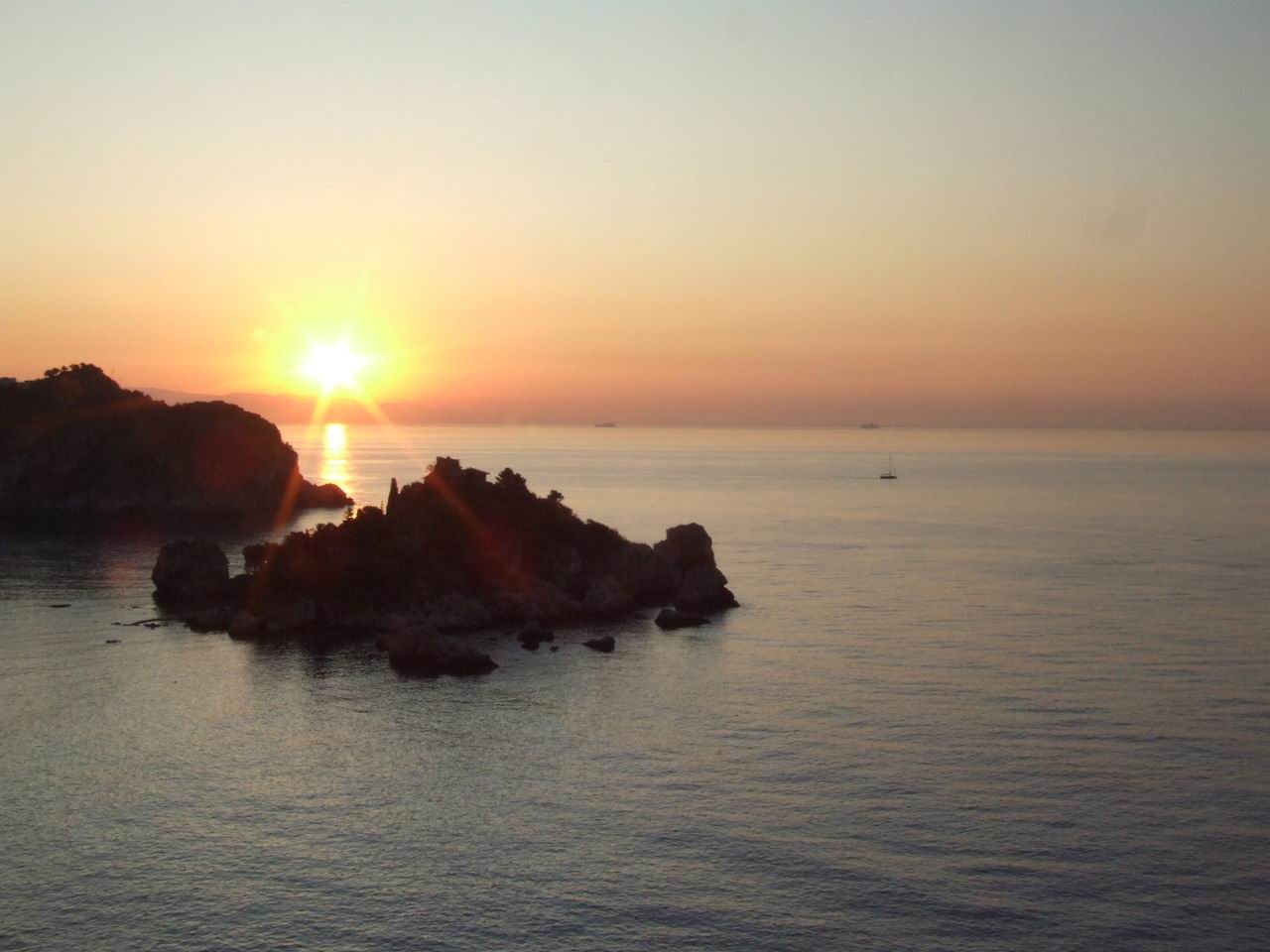
Between San Vito and Castelluzzo, a string of coves of fine sand and rocks facing the gulf, with the famous sunset view. Sheltered from the mistral, they are the alternative when the San Vito beach is hit by the northwesterly wind.
The Zingaro Nature Reserve: the coves on foot
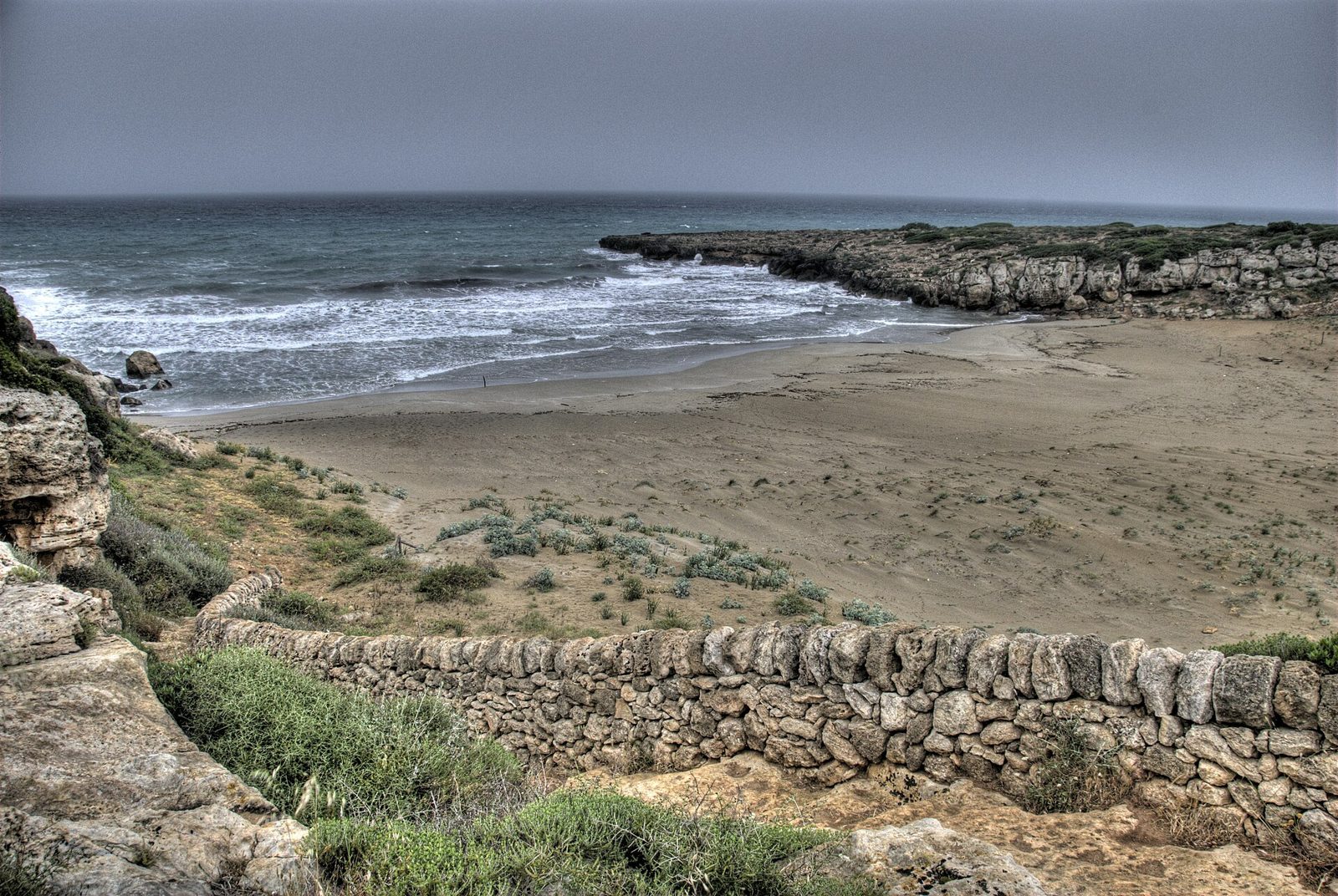
Between San Vito Lo Capo and Scopello, seven kilometres of coast without roads: they can only be walked along the paths, or reached by sea. The coves face the Gulf of Castellammare, towards east and southeast, so they stay sheltered from the very mistral that stirs up the San Vito side.
Cala Tonnarella dell'Uzzocalm sea · water 23 °C
Cala dell'Uzzocalm sea · water 23 °C
The best-loved coves on the northern side of the reserve, near the San Vito entrance: pale gravel, rocks and very clear water, excellent for snorkelling. Facing into the gulf, they are usually protected from northwesterly winds.
Cala Berrettacalm sea · water 23 °C
A cove of gravel and pebbles along the reserve's paths, more tucked away and less crowded. The stony seabed rewards those who bring water shoes.
Scopello and the Gulf of Castellammare
Below the reserve, the village of Scopello and its coast gather some of Sicily's most famous images: the sea stacks in front of the Tonnara and a series of coves set among the rocks, all sheltered from the mistral because they face into the gulf.
Tonnara di Scopello e Faraglionicalm sea · water 23 °C
The small beach at the foot of the tonnara, among gravel, pebbles and rocks, with the sea stacks closing the scene and water of rare clarity. Access is from the Tonnara for a fee, with limited numbers and online booking: it is best to plan ahead.
Baia di Guidalocasea with a few waves · water 23 °C
Between Scopello and Castellammare, a hollow of white gravel with a rocky stretch, very enclosed and therefore sheltered from the winds. The sea here is often calm even when it isn't elsewhere, and services are close at hand.
Further west: the Gulf of Cofano
Corninocalm sea · water 23 °C
At the foot of Monte Cofano, a beach of pebbles, gravel and sand with a handy car park. It faces more openly to the northwest, so it is more exposed to the mistral and the tramontana than the coves of the Gulf of Castellammare.
When the sea is calm between San Vito and Scopello
The key here is one thing only: the mistral, the wind from the northwest. The San Vito Lo Capo beach, facing north, is the first to feel it, while the whole Gulf of Castellammare, with the Zingaro Nature Reserve, Scopello and Guidaloca, is largely protected. The practical rule: with a mistral, skip the San Vito bay and head for the coves of the gulf; with southerly winds, instead, it is San Vito that is at its best. MareCalmo takes into account each beach's exposure to wind and waves, so you can see at a glance where the sea is calmest today.
Practical tips
- Go early. In the morning the sea is usually calmer, before the breeze picks up, and parking is easier to find.
- Water shoes help. In the coves of the Zingaro and Scopello you walk on gravel and rocks, and the seabed is often stony.
- Arrange the limited-entry sites. The Tonnara di Scopello needs online booking; for the Zingaro, bring what you need because there are no facilities inside.
- Check flags and ordinances. The Harbour Master's notices always come before the forecast.
Frequently asked questions
Which is the most beautiful beach in San Vito Lo Capo?
The town beach and the coves of the Zingaro Nature Reserve are among the most famous, but there is no single most beautiful beach: there is the most beautiful one today. With a mistral the San Vito bay turns choppy, while the coves of the Gulf of Castellammare stay calm. That is why it is worth checking the sea conditions before you set off.
How do you visit the Zingaro Nature Reserve?
Only on foot along the paths or by sea, not by car. There is a ticket (5 euros, reduced 3) and in summer it is open from 7:00 to 19:30; umbrellas, sunbeds and animals are not allowed. The coves face into the gulf, so they are sheltered from the mistral.
When is the sea calmest?
Usually early in the morning and, in a mistral, on the coves of the Gulf of Castellammare such as the Zingaro, Scopello and Guidaloca. The calm sea today page shows you in real time where to find it now.
Some links are affiliate links: booking helps support MareCalmo, at no extra cost to you.