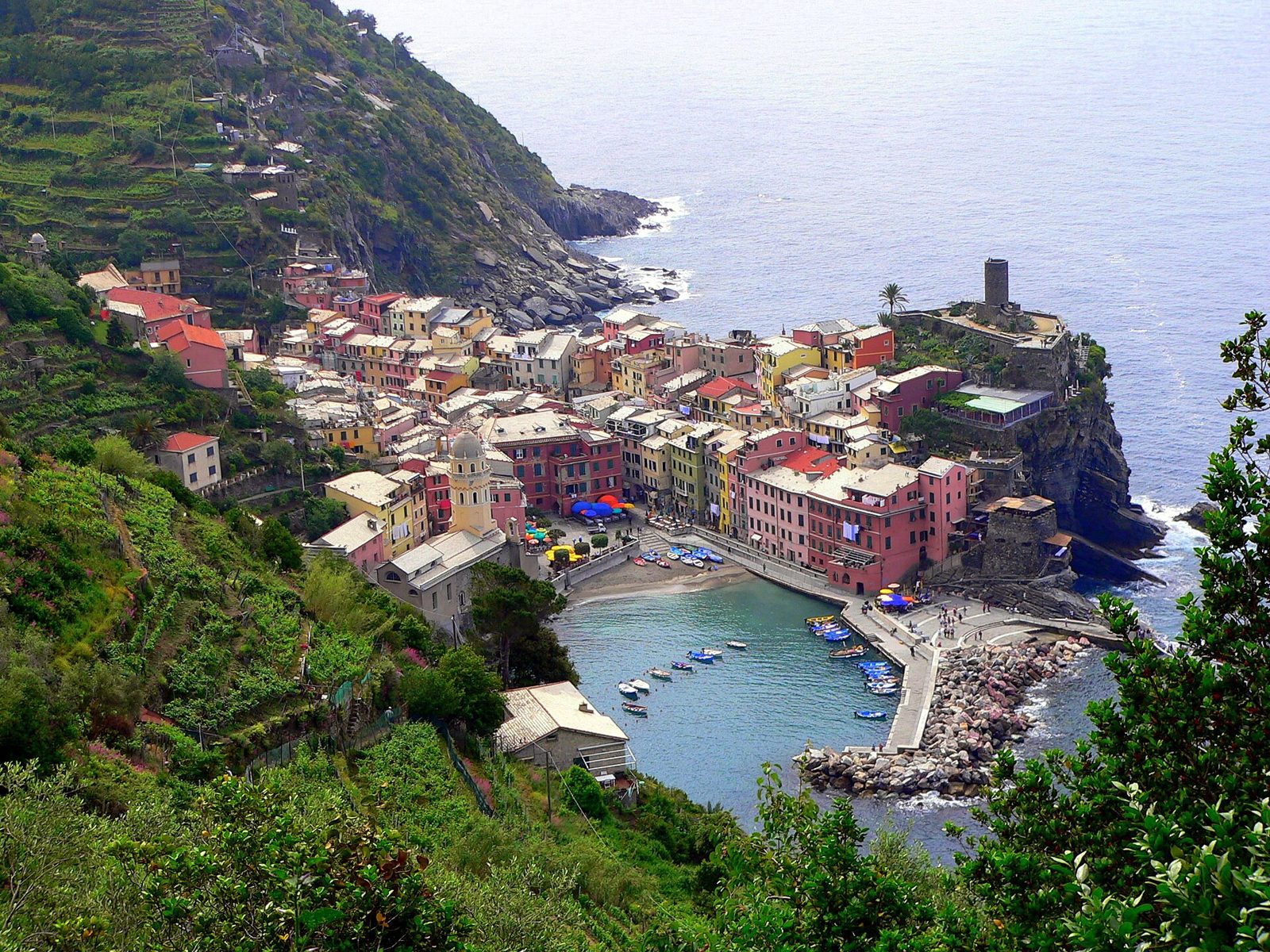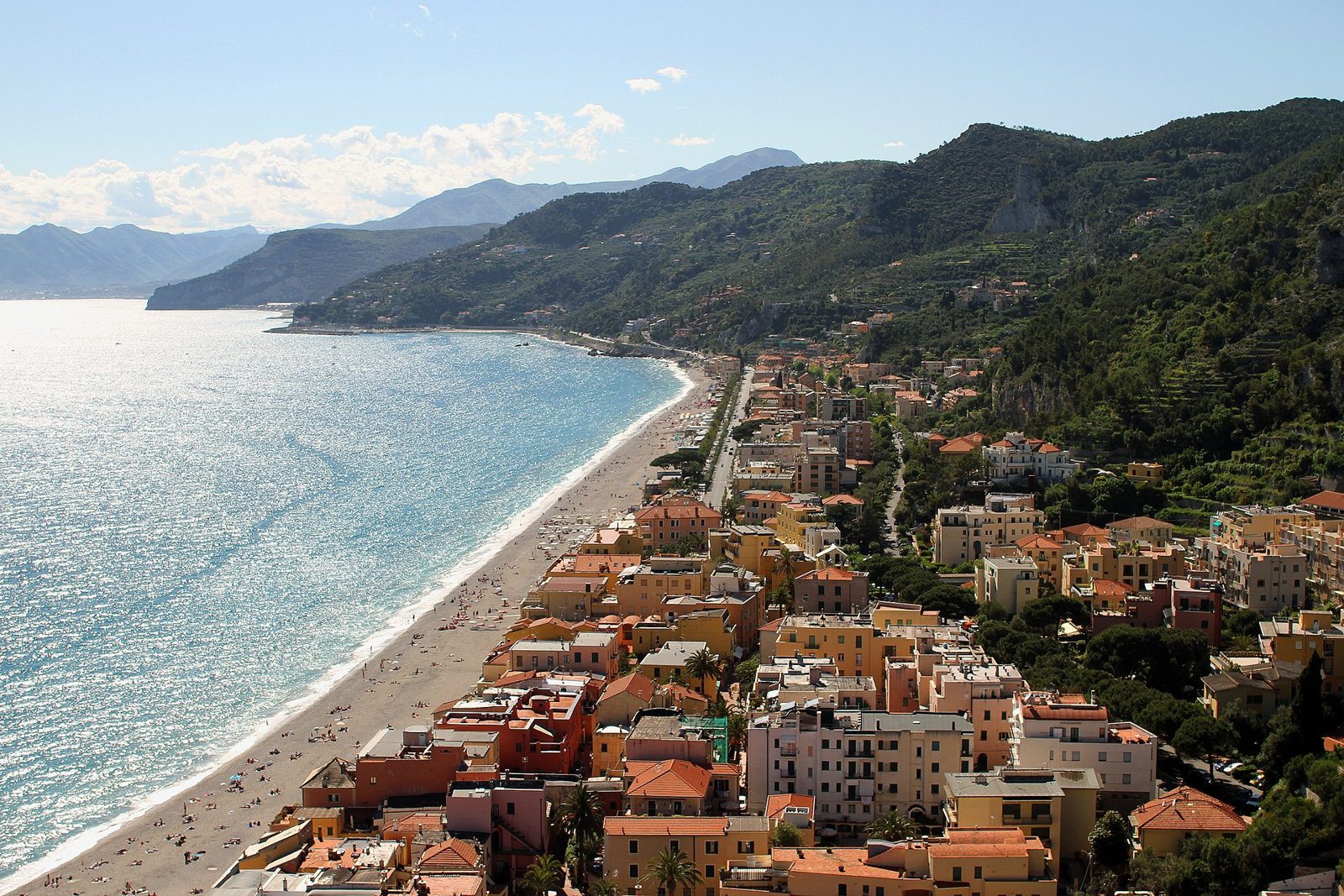
From Camogli and San Fruttuoso to Santa Margherita, Rapallo and Sestri Levante: pebbles, sheltered bays and the only sand at Paraggi around Portofino, each with today's sea conditions.
The Portofino headland divides two worlds: to the west the Golfo Paradiso, with Camogli and San Fruttuoso, to the east the Gulf of Tigullio, with Santa Margherita, Rapallo and Sestri Levante. It is a coast of pebbles and villages perched over the water rather than of long sandy beaches, but it is precisely the tucked-away inlets and sheltered shores that often keep it calm even when the sea is rough elsewhere.
Below are the public beaches and the spots where you can swim, each with today's sea conditions: tap a row to open the full card with waves, wind and water temperature.
Around Portofino: Paraggi and San Fruttuoso
There is no real beach in the village of Portofino: people swim just outside, at Paraggi, or in the cove of San Fruttuoso, beneath the abbey. Both lie within the Portofino Marine Protected Area.
Paraggi is the only true sandy beach near Portofino, along the road from Santa Margherita to the village. The seabed is gentle and the water clear; it is partly free and partly a concession. It lies within the Portofino Marine Protected Area.
San Fruttuososea with a few waves · water 23 °C
A small pebble beach with the medieval abbey right on the water. You cannot get there by car: only on foot, along the paths of the Portofino Park, or by sea on the ferry. A unique corner, but one to plan for a calm sea, as it is exposed.
The Golfo Paradiso: Camogli
Camogli has a beach of dark pebbles at the foot of the tall, colourful houses, with the water becoming deep almost at once. The train arrives conveniently above the town; there are free stretches and beach clubs. One of the most beautiful postcards in Liguria.
The Tigullio: Santa Margherita, Rapallo and Sestri Levante
The western shore of the Tigullio, between Santa Margherita and Rapallo, is sheltered from southwesterly and northerly winds, so it is often calm; further east Sestri Levante guards two sandy bays among the most loved on the coast.
Santa Margherita Ligurecalm sea · water 23 °C
A beach of pebbles and gravel, with free serviced stretches and the station right above the shore. Convenient and well served, it is a good base for the whole Tigullio.
Rapallocalm sea · water 23 °C
A mostly pebble beach, with some free stretches topped up by nourishment. On the western shore of the gulf, it is sheltered from southwesterly and northerly winds, so it is often calm.
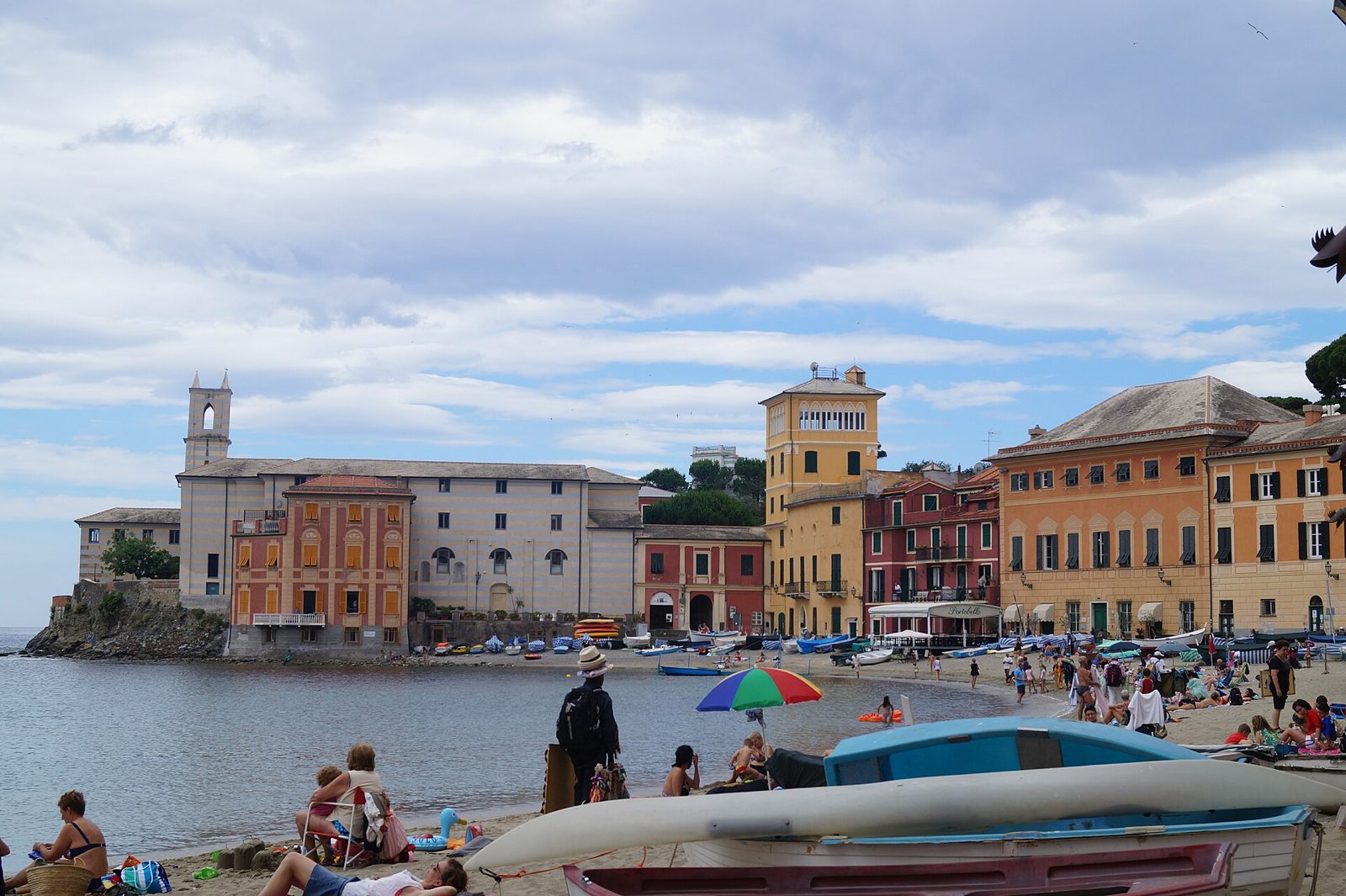
At Sestri Levante two bays face each other: the Baia del Silenzio, fine sand and a shallow seabed, tucked away and well sheltered by a breakwater, among the calmest in the area; and the Baia delle Favole, wider, sandy to the east and gravelly to the west, with beach clubs and free stretches.
When the sea is calm in the Tigullio
The Portofino headland acts as a watershed between the Golfo Paradiso, to the west, and the Tigullio, to the east: depending on the wind it pays to pick the right side. The most feared wind is the libeccio, from the southwest. The western shore of the Tigullio, with Santa Margherita and Rapallo, is sheltered and often stays calm; the more tucked-away basins, like the Baia del Silenzio at Sestri, stay calm even when the sea picks up outside. The practical rule: with a libeccio head for the enclosed bays and the sheltered shores; when the wind shifts, change side of the headland. MareCalmo takes into account each spot's exposure to wind and waves, so you can see at a glance where the sea is calmest today.
Practical tips
- Arrive by train. Camogli, Santa Margherita, Rapallo and Sestri have the station a short walk from the sea, and parking in summer is scarce and expensive.
- San Fruttuoso only on foot or by ferry. There are no roads: plan for the path or the boat, and check the return times.
- Water shoes help. Along much of this coast you enter the water over pebbles, sometimes steep: they protect your feet.
- Check flags and ordinances. Inside the Marine Protected Area specific rules apply, and the Harbour Master's notices always come before the forecast.
Frequently asked questions
Is there a beach in Portofino?
There is no real beach in the village of Portofino. The nearest sandy beach is Paraggi, just before the village, along the road from Santa Margherita; another option is the pebble cove of San Fruttuoso, reachable only on foot or by ferry. Both are in the Portofino Marine Protected Area.
How do you get to San Fruttuoso?
Only on foot, along the paths of the Portofino Park, or by sea on the ferry: there are no roads and no car parks. It is best to check the connection times in advance, especially for the return trip.
When is the sea calmest?
Usually early in the morning and, in a libeccio, on the western shore of the Tigullio and in the enclosed bays such as the Baia del Silenzio. The calm sea today page shows you in real time where to find it now.
Some links are affiliate links: booking helps support MareCalmo, at no extra cost to you.