Still, clear water, rocky seabeds: a guide to the best public reefs for snorkelling between the Adriatic and the Ionian, with the criteria for telling whether the sea is suitable today.
Snorkelling doesn't need postcard beaches: it needs still, clear water and rocky seabeds, where seagrass, anemones and fish give you something to look at. Apulia, with its low cliffs and sheltered inlets, is one of the best regions in Italy for mask and fins. Here are the best public reefs and coves, between the Adriatic and the Ionian, with today's sea state for each one and the criteria to tell whether it's really suitable.
What you need for great snorkelling
Three conditions, in order of importance:
- Calm sea (a "Flat" or "Calm" state on our scale): waves stir up the sand and ruin visibility.
- Little wind (below ~18 km/h): it ripples the surface and makes swimming tiring.
- No swell: waves from a distant storm cloud the water even when there's little wind.
These are exactly the criteria MareCalmo applies when you choose the Snorkelling activity: the ranking puts at the top the spots where these conditions are met today. To learn more about the sea state and the types of waves, read the sea guide.
Adriatic: low rocks, arches and small caves
Torre Sant'Andreasea with a few waves · water 22 °C
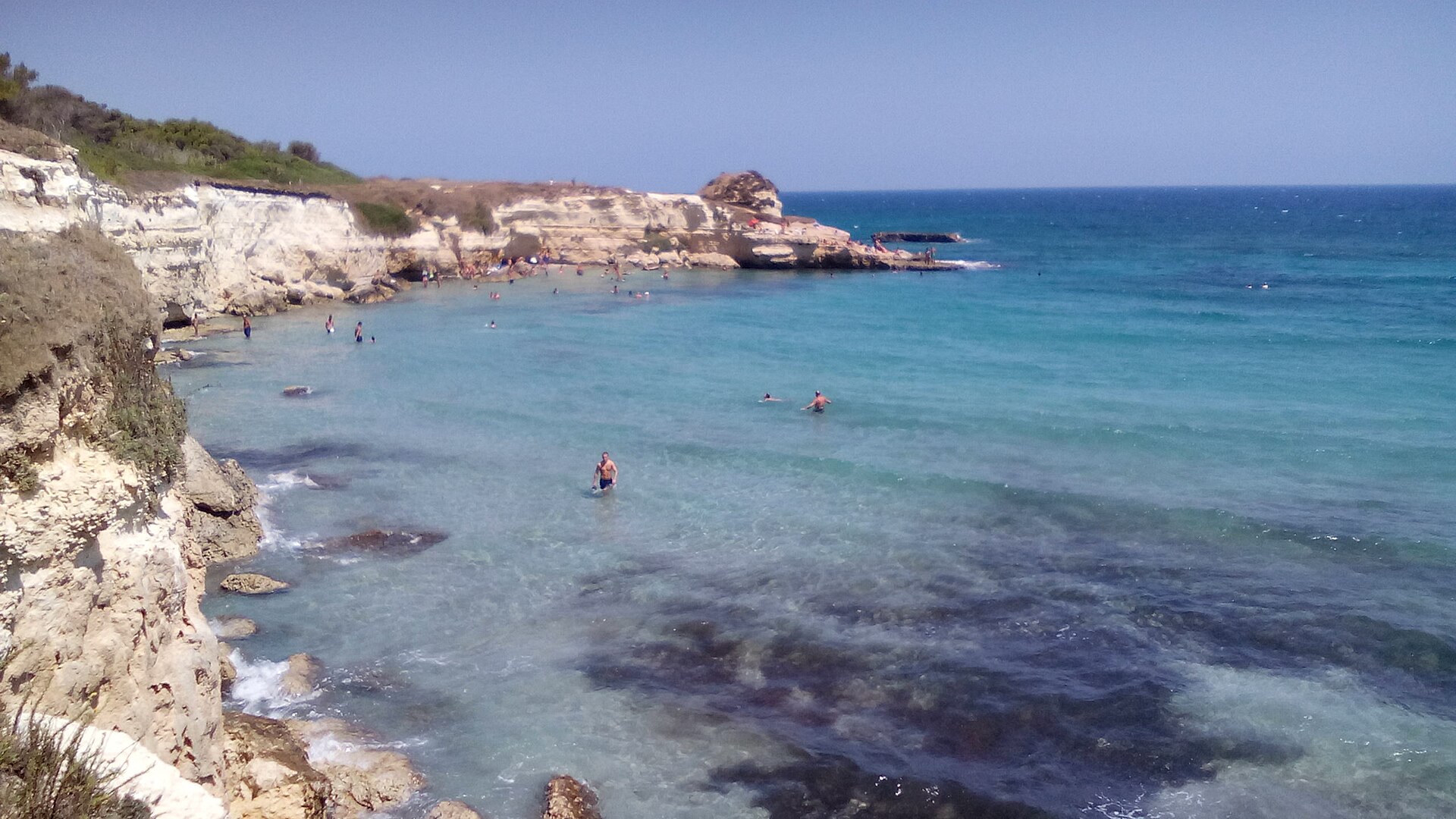
Stacks and arches of white rock with small sheltered inlets, north of Otranto. The low rocks and the transparent water make it one of the most loved spots for snorkelling on the Adriatic side.
Porto Miggianosea with a few waves · water 22 °C
A cove tucked beneath a cliff, in the territory of Santa Cesarea Terme. Deep, clear water and interesting rock walls to follow with your mask when the sea is still.
Marina Serraslightly choppy sea · water 22 °C
The famous natural pool among the rocks, near Tricase: a basin of seawater enclosed by the rock, handy for getting into the water and exploring the nearby seabeds when the sea is calm.
Grotta Verde (Marina di Andrano)slightly choppy sea · water 22 °C
At Marina di Andrano, a small sea cave with emerald-green reflections is reached by swimming. The area is full of life and is one of the best spots in the lower Salento for snorkelling: bring your mask and snorkel.
Ionian: reefs in the nature parks
Porto Selvaggioslightly choppy sea · water 22 °C
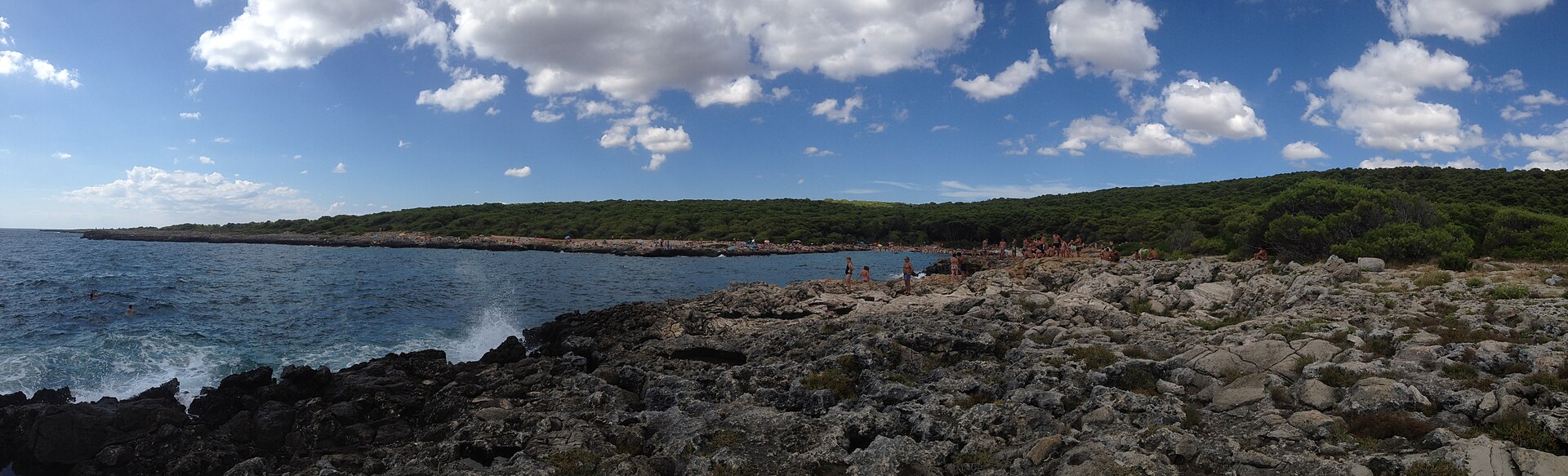
A bay of rocks and pebbles inside a regional nature park of pines, in the territory of Nardò. No beach clubs: you arrive on foot with a walk through the pine wood. Cool, deep and crystal-clear water - a classic for snorkelling.
Baia di Uluzzoslightly choppy sea · water 22 °C
A more secluded rocky cove, in the same park as Porto Selvaggio. Rocky seabeds and coastal caves known to divers.
La Strea (Porto Cesareo)sea with a few waves · water 23 °C
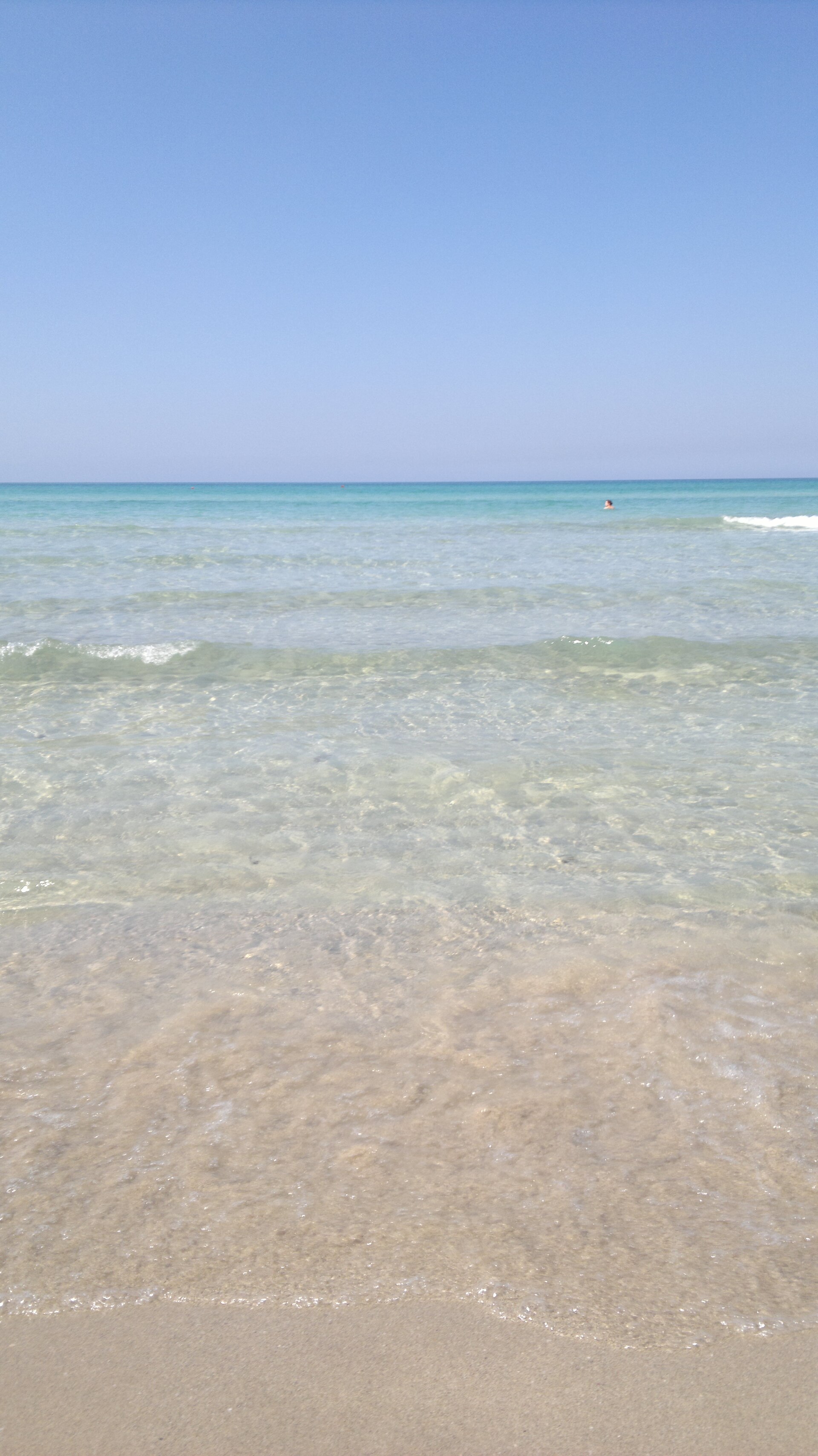
Shallow seabeds in the Porto Cesareo marine protected area: shallow and quiet water, suitable even for those with their first experiences with the mask.
Quattro Colonneslightly choppy sea · water 22 °C
At Santa Maria al Bagno, around the remains of an ancient tower: rocks and some submerged structures that attract the fish, perfect to explore with a flat sea.
Gear and safety
- Reef shoes: the seabed is sharp and sometimes slippery.
- Signalling buoy: where boats pass, always make your position visible.
- Never alone: swim with a buddy and keep an eye on the currents.
- Respect the marine protected areas: at Porto Cesareo and along other stretches specific rules apply; don't touch or collect anything.
Frequently asked questions
When is it best to snorkel in Apulia?
Early in the morning, with a calm sea and little wind: the water is stiller and clearer. The days right after a storm are often murky even if the wind has already dropped.
Do you need to be experienced?
No: all you need is a mask, snorkel and fins, and a sheltered cove with shallow water like La Strea at Porto Cesareo. But check that the sea is really calm today at the spot you choose.
Can I snorkel anywhere there are rocks?
Almost: but you need clear water and no ban. Check the local ordinances and the marine protected areas, and avoid the sites where bathing is not allowed.
Some links are affiliate links: booking helps support MareCalmo, at no extra cost to you.