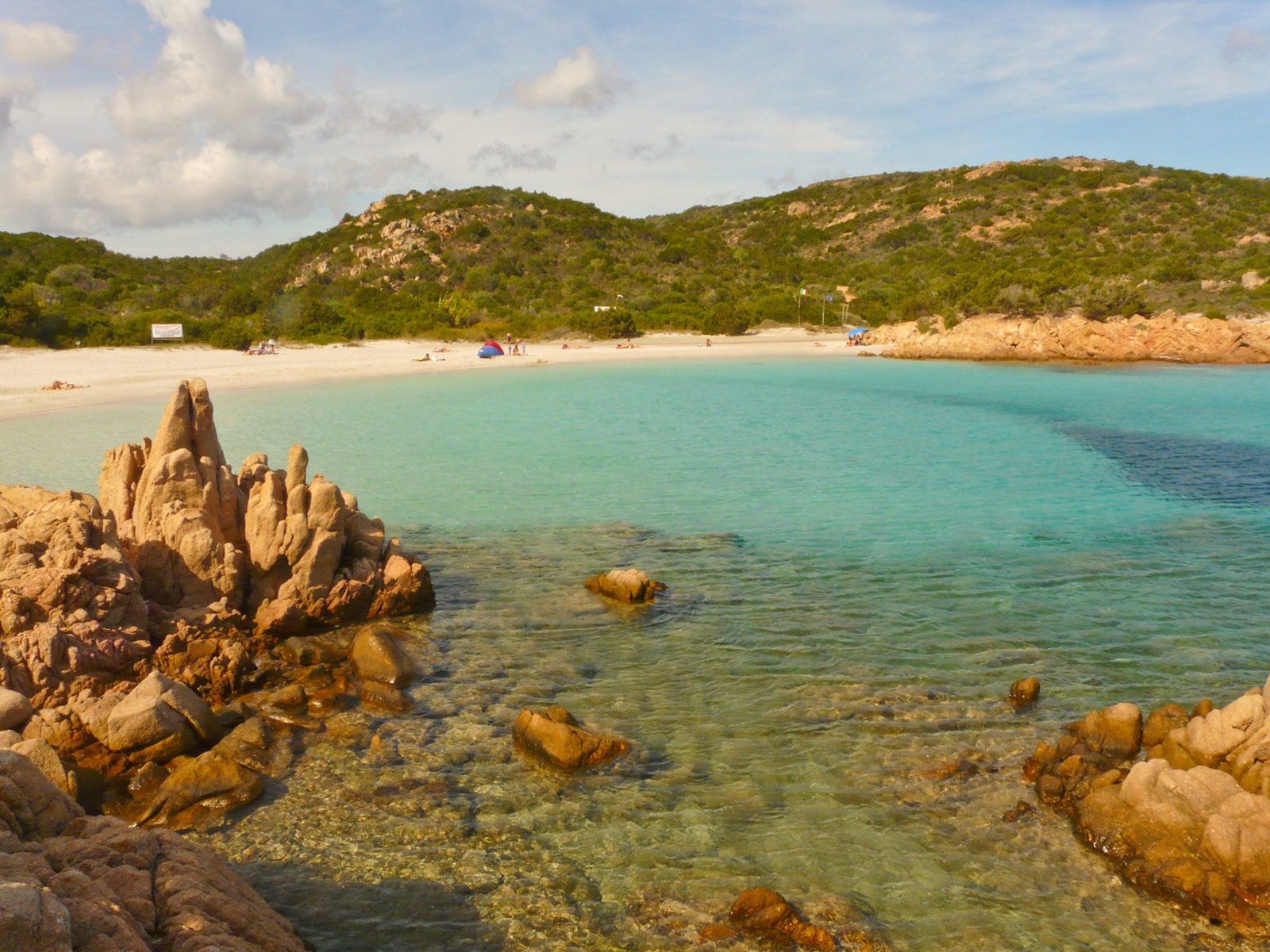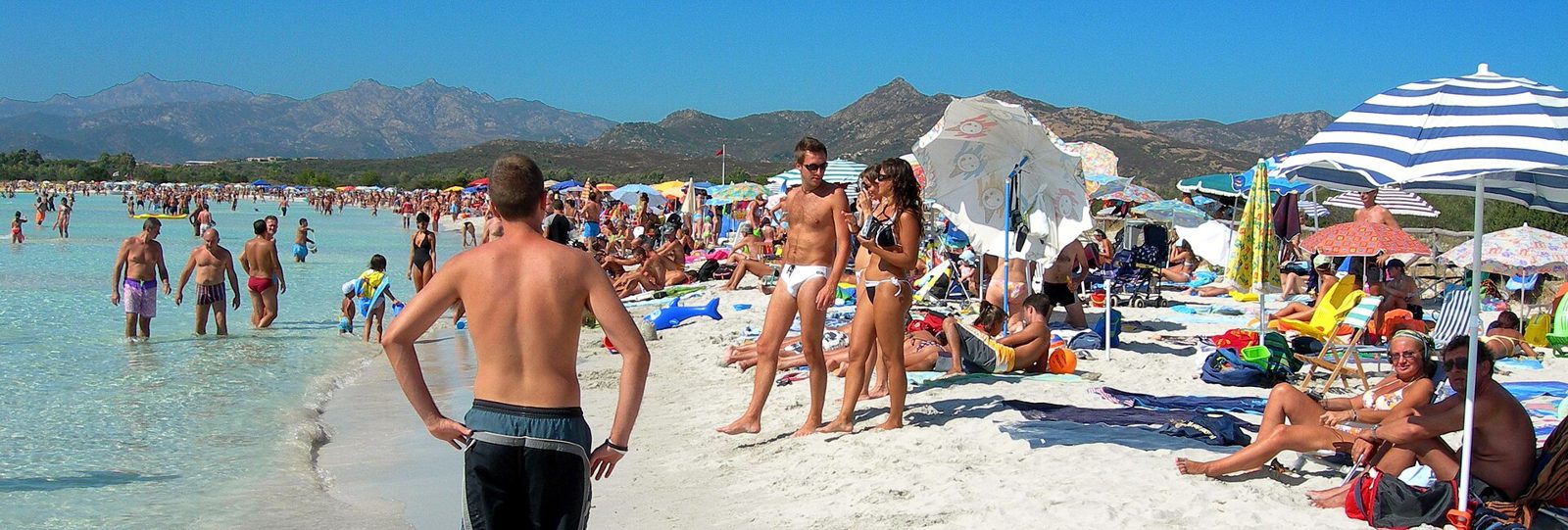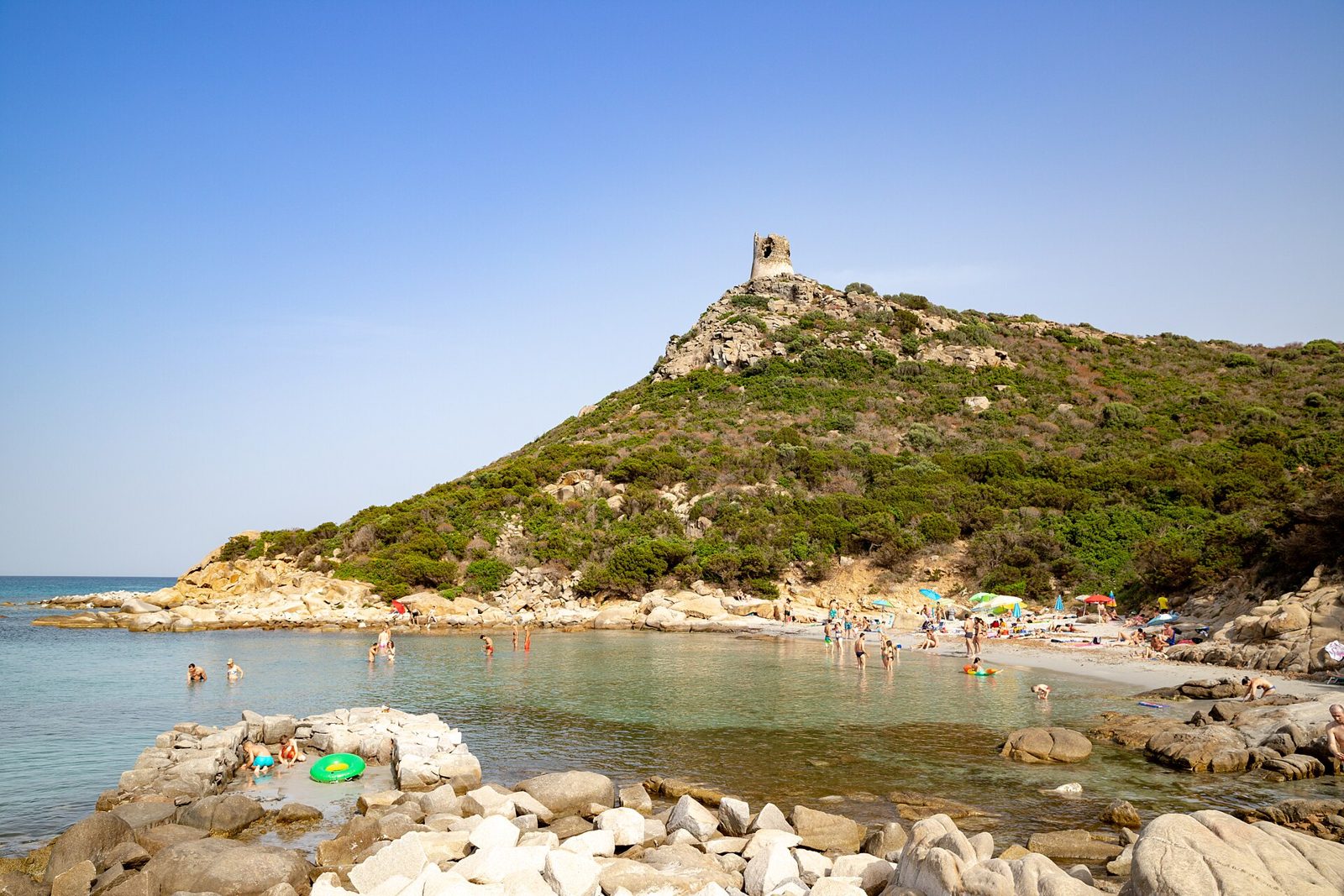
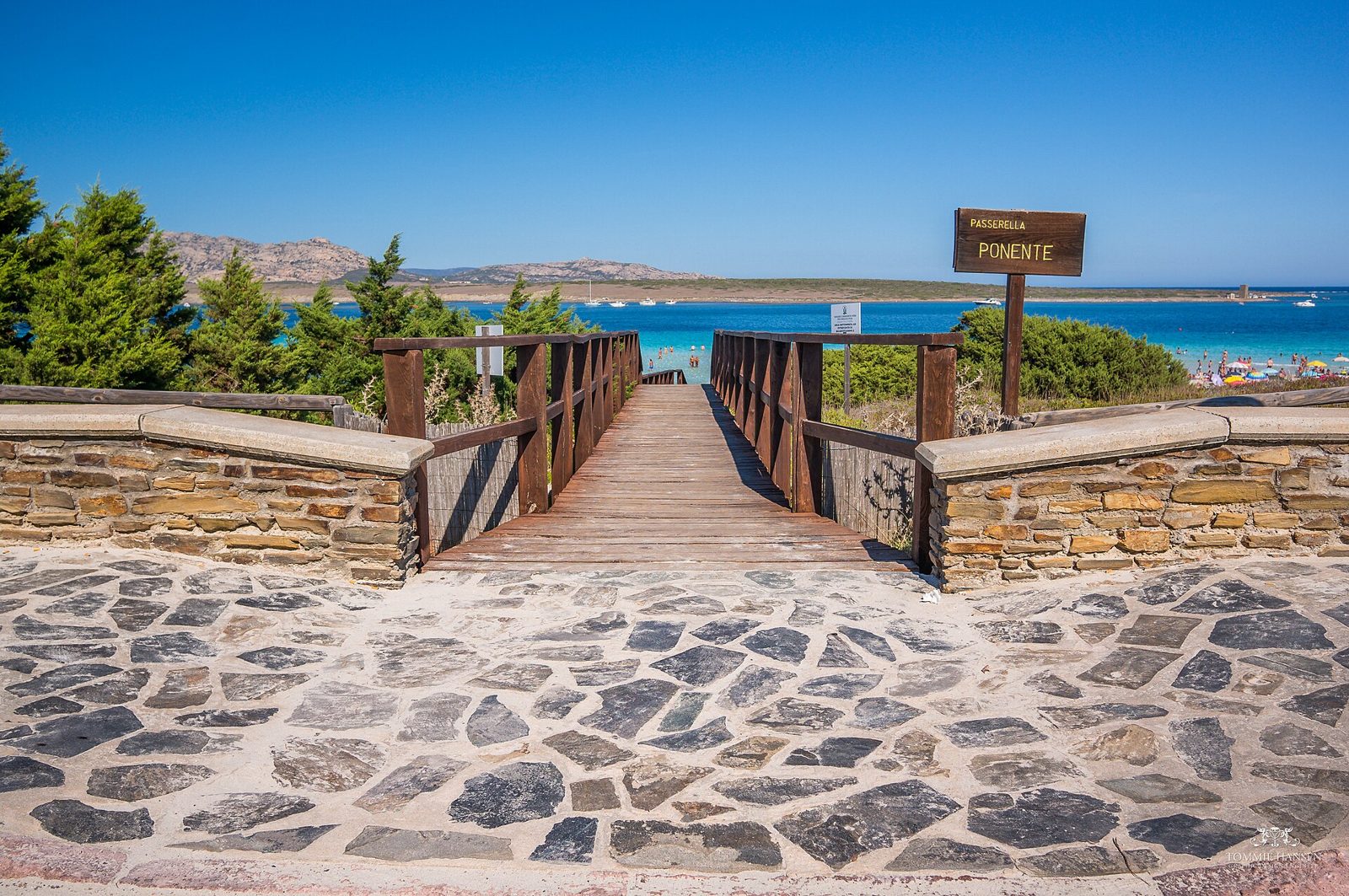
From La Pelosa and Asinara to the coral riviera: the most beautiful public beaches of the northwest coast, with the right shelter for every wind and today's sea state.
The northwest coast of Sardinia brings together two emblematic destinations: Stintino, at the tip of the Nurra, facing Asinara, and Alghero, the Catalan town with its coral riviera. In between, white and golden sands, pine woods and cliffs, with a sea that ranges from the clear turquoise of La Pelosa to the more open, windy waters towards Capo Caccia.
Below are the most beautiful public beaches, each with today's sea conditions: tap a row to open the full card with waves, wind and water temperature.
Stintino: La Pelosa and Le Saline
The tip of the Nurra looks towards Asinara, and Isola Piana acts as a screen: that is why some of the calmest, shallowest waters in all of Sardinia are found here.
La Pelosaflat sea · water 24 °C
Very fine white sand and very shallow turquoise water, as clear as a swimming pool. Isola Piana and Asinara act as a natural barrier, so it stays sheltered and calm even when the mistral blows hard. It is one of the most photographed beaches on the island.
Le Salineflat sea · water 24 °C
A wide sandy shore with a pine wood behind it, a little south of Stintino. It is more open and breezy than La Pelosa, so a good alternative when you are looking for space.
Alghero and the bay of Porto Conte
The bay of Porto Conte is a large sheltered inlet, ideal precisely when the mistral blows, the most frequent wind in these parts. The beaches that face it often stay calm while the open coast picks up.
Mugoniflat sea · water 24 °C
A long arc of sand inside the bay of Porto Conte, well sheltered from the mistral and the west wind. Shallow seabed and quiet water: one of the safest choices with wind from the west and northwest.
Le Bombardeflat sea · water 24 °C
Soft white sand and turquoise water, among the most loved in Alghero. Its position shelters it from the mistral, which is why it holds up well even on windy days.
Spiaggia del Lazzarettoflat sea · water 24 °C
A tucked-away sandy cove a few steps from Le Bombarde, also sheltered from the mistral. Clear water and a shallow seabed, handy for a quiet day.
The beaches of Alghero town: Maria Pia
Maria Piaflat sea · water 24 °C
A long stretch of white sand with dunes and a pine wood, a stone's throw from the centre of Alghero. Shallow waters and wide open spaces make it handy for families and for those who want the town's services nearby.
Towards Capo Caccia: Porto Ferro and the coves
North of Alghero, towards Capo Caccia and the Nurra, the coast becomes wilder and more open: red cliffs, isolated coves and stretches more exposed to wind and waves.
Porto Ferroflat sea · water 24 °C
A long shore of amber sand set between red cliffs and coastal towers. It is more exposed than the Porto Conte coves and takes the waves well, which is why it is loved by surfers on days with a rougher sea.
Porto Conteflat sea · water 24 °C
At the head of the bay of the same name, a quiet, sheltered beach facing the protected inlet. Calm water and a gentle seabed, handy with children.
Tramariglioflat sea · water 24 °C
Cala Dragunaraflat sea · water 24 °C
Two smaller coves at the foot of Capo Caccia, among rocks and Mediterranean scrub. They are small and scenic, stopping points on the most spectacular side of the coast.
When the sea is calm between Stintino and Alghero
The prevailing wind in Sardinia is the mistral, from the northwest, and this coast faces it fairly directly. There are, however, two safe refuges precisely in a mistral: La Pelosa, protected by Isola Piana and Asinara, and the bay of Porto Conte (Mugoni, Le Bombarde, the Lazzaretto), which stays sheltered from the west and northwest. The more open beaches like Porto Ferro, on the other hand, pick up in a mistral. The practical rule: when the wind blows from the northwest, head for La Pelosa or inside Porto Conte; with winds from the south and southeast the situation changes and it is best to choose other sides. MareCalmo takes into account each beach's exposure to wind and waves, so you can see at a glance where the sea is calmest today.
Practical tips
- Book La Pelosa. From 15 May to 15 October a booking and a ticket are required, with limited daily places: better to act in advance.
- Go early. In the morning the sea is usually calmer, before the breeze picks up, and parking is easier to find.
- Respect dunes and pine woods. These are fragile habitats: stay on the paths and leave no litter. At La Pelosa a mat is compulsory and sand must not be taken away.
- Check flags and ordinances. The Harbour Master's notices always come before the forecast.
Frequently asked questions
How do you book La Pelosa in Stintino?
From 15 May to 15 October access is capped, with a maximum of 1,500 people per day: you book online through a dedicated website and app and pay a ticket of 3.50 euros (free under 12). A mat under your towel is compulsory, and smoking and taking away sand are forbidden. It is best to book in advance because the places sell out.
Which beaches stay calm in a mistral?
La Pelosa, protected by Isola Piana and Asinara, and the beaches inside the bay of Porto Conte such as Mugoni, Le Bombarde and the Lazzaretto. They are sheltered precisely from the mistral, the most frequent wind here. The open beaches like Porto Ferro, on the other hand, pick up in that wind.
When is the sea calmest?
Usually early in the morning and, in a mistral, at La Pelosa or inside Porto Conte. The calm sea today page shows you in real time where to find it now.
Some links are affiliate links: booking helps support MareCalmo, at no extra cost to you.